Women's Wellness Education
Have You Ever Wondered What Baking Soda e Gelatin Have to Do With How a Woman's Body Changes Over Time?
This page walks through the traditional kitchen pairing of baking soda e gelatin and explains, in plain language, what’s currently understood about collagen, satiety, and lean body composition as we age.
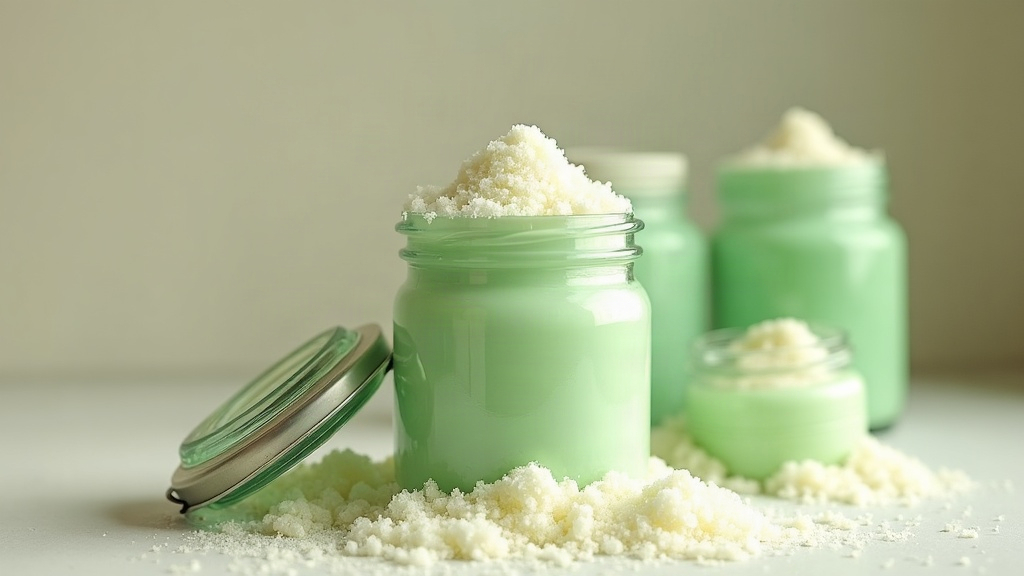
What Changes Are Happening Beneath the Surface?
Before talking about any habit or ingredient, it helps to understand what’s actually shifting in the body over time. These four areas come up again and again in women’s wellness conversations.
Collagen Production Slows With Time
Collagen is a structural protein that naturally declines over the years — a shift many women notice in skin and joint comfort before anything else changes.
Satiety Signals Can Shift
The way the body signals fullness isn't static. Hormonal and lifestyle factors can change how satiety is experienced from one decade to the next.
Lean Mass Composition Changes
The ratio of lean mass to fat mass tends to shift gradually, which is why body composition is often discussed separately from body weight.
Traditional Diet Advice Often Misses This
Generic calorie-counting guidance rarely accounts for collagen decline, satiety changes, or composition shifts unique to women's physiology.
Myth vs. Fact: Metabolism and Women's Bodies
There’s no shortage of oversimplified claims about metabolism. Here’s a sober look at three common ones.
Metabolism only slows down because of age.
Age plays a role, but hormonal shifts, muscle composition, and daily habits all factor into how the body uses energy.
Skipping meals speeds up fat loss.
Irregular eating patterns can disrupt satiety signals and make it harder to maintain consistent habits over time.
All dietary protein affects the body the same way.
Different proteins, including collagen-based ones, have different structures and are studied for different roles in the body.
A Simple Framework for Building Better Habits
Rather than chasing quick fixes, many women find it more useful to build habits methodically. Here’s a three-step approach worth considering.
Observe Your Current Patterns
Start by paying attention to hunger cues, energy levels, and how your body responds to meals — without judgment, just observation.
Introduce Small, Consistent Habits
Rather than overhauling everything at once, small and repeatable changes are generally easier to sustain long-term.
Track How Your Body Responds
Keep simple notes over weeks, not days. Patterns tend to reveal themselves with consistency, not intensity.
A Kitchen Tradition Worth Revisiting
Long before modern supplement aisles existed, home cooks combined baking soda e gelatin in traditional recipes — using baking soda to tenderize and gelatin-rich broths as a kitchen staple passed down through generations. These practices were rooted in practical, everyday cooking rather than formal nutrition science.
Many traditional kitchen practices, including pairing baking soda with gelatin-rich broths, predate modern nutrition research entirely — and today they’re often revisited through a more educational, less mystical lens.
Signs Worth Paying Attention To
⚠️ Changes in Hunger Cues
Feeling hungry more often, or less satisfied after meals, is a pattern worth noting rather than ignoring.
⚠️ Skin Texture Shifts
Reduced elasticity or a different skin texture is commonly linked to gradual collagen decline.
⚠️ Joint Stiffness or Discomfort
Mild stiffness, especially after periods of rest, is frequently mentioned alongside collagen-related changes.
⚠️ Fluctuations in Weight Distribution
Where weight tends to sit on the body can shift over time, independent of the number on a scale.
⚠️ Unexplained Energy Dips
Afternoon slumps or general low energy can be tied to a mix of composition, satiety, and lifestyle factors.
⚠️ Brittle or Slow-Growing Nails
Nail texture and growth rate are sometimes discussed alongside overall protein and collagen intake.
What Women Are Saying

Testimonials reflect individual experiences and opinions. Individual results may vary. These statements have not been evaluated by the FDA and are not intended to diagnose, treat, cure, or prevent any disease.
Frequently Asked Questions
This page provides educational content about the traditional pairing of baking soda e gelatin, along with general information about collagen, satiety, and body composition in women.
Hydrolyzed gelatin is gelatin that has been broken down into smaller peptides, often making it easier to dissolve and mix. It’s derived from collagen through a processing method.
No. This page is educational in nature. Some links may lead to third-party offers, and any such relationship is disclosed in our footer.
No. Nothing here should be taken as medical advice. Please consult a qualified healthcare professional before making changes to your diet or routine.
A combination of hormonal shifts, collagen decline, and lifestyle factors contribute to gradual changes in lean mass and fat distribution.
Baking soda has a long history of culinary use, but consumption should always be discussed with a healthcare professional, particularly regarding quantity and individual health conditions.
Watching the explainer video is a good starting point, and speaking with a healthcare professional can help you apply this information to your own situation.
Curious to See the Full Explanation?
Watch the video that walks through the traditional baking soda e gelatin pairing, the science of collagen, and what it means for women’s wellness habits.
Advertising Disclosure: This page contains sponsored content and affiliate links. We may receive compensation if you click on or make purchases through links on this page. This compensation may impact how and where products appear, but it does not influence our editorial content or opinions.
Content Disclaimer: The content on this page is for educational and informational purposes only. It is not intended to diagnose, treat, cure, or prevent any disease. Statements made have not been evaluated by the Food and Drug Administration. Always consult a qualified healthcare professional before making changes to your diet, exercise, or wellness routine.
Results Disclaimer: Individual results may vary. Testimonials and examples shared on this page reflect personal opinions and experiences and are not a guarantee of any particular outcome. Your results will depend on your own individual circumstances.
© 2026 · All Rights Reserved · /contact/